


In the first Apple TV+ episode of The Reluctant Traveler, Eugene Levy journeys to Finland to find his inner sisu (grit, determination, resilience) and to understand just what makes Finns so happy. The sunlit, snowy vistas are breathtaking, but it is Levy’s encounter with members of the local community that truly enchant. Encouraged to step outside his comfort zone, Levy ice fishes and swims, husky sleds and learns to eat and drink like a Finn - coming away changed by the experience, enough to make your heart glow.
While not the first series to explore these themes, Race Across the World, Anthony Bourdain’s Parts Unknown and Somebody Feed Phil also focus on cultural immersion – Levy’s quest to discover the je ne sais quoi of a place sets him apart. Whether it’s La Dolce Vita in Italy or Pura Vida in Costa Rica, these cultural expressions reveal something deeper than lifestyle – they point to the values and rhythms shaping how people see the world. Levy’s question is simple: how does this community live their lives and how can it change him for the better?

Levy’s approach to travel mirrors a broader industry shift. Many consumers are reshaping travel by redefining ‘richness’ as ‘once in a lifetime experiences’ over material benefits and status symbols. Reels on TikTok abound with travellers looking for meaning and emotional resonance in the places they visit, with captions like: “gone so far out of my comfort zone I’m on the other side of the world” and “there’s more to life than the bubble you live in.”
This craving for meaning isn’t just a social media trend. Recent industry research shows that 63% of travellers now prioritise experiences over destinations, reflecting a broader desire for depth and emotion in travel. Yet many travellers still feel major destinations do not consistently deliver the authentic, personal experiences they seek, driving the rise of more varied and niche trends in global travel behavior: wellness beyond the spa, sober travel, off-grid escapes, slow stays, solo and ancestry journeys, as well as literary, culinary, entertainment and shelf-discovery travel – a theme that’s surfaced in our work Edible Escapism over the last 3 years.
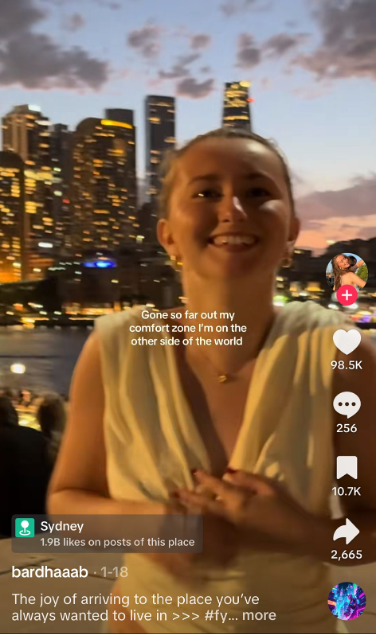
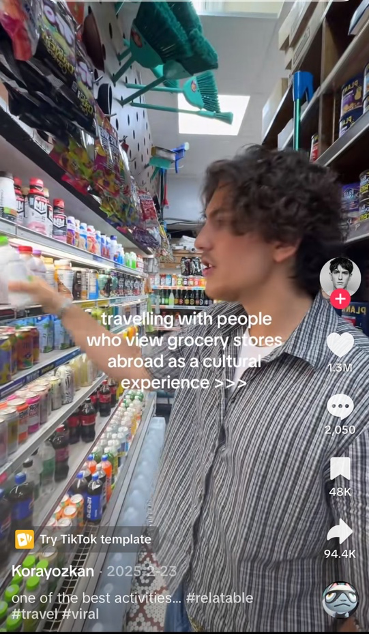
At the heart of these shifts is a desire not only to be immersed in local cultures and places, but to be changed by them. Emerging Gen Z and Millennial groups lead this search for transformation. As Forbes notes on Glomads: ‘this movement is fueled not just by the lure of mobility, but ‘Gen Z’s identity-driven approach, their embrace of artificial intelligence, and a commitment to sustainability and immersive cultural exchange’.
With 65 % of global travellers linking travel to identity, this new definition of value in travel has become impossible to ignore. People no longer travel to escape their lives, but to recast their place in the world. People seek to recalibrate their perspectives through ‘micro moments’ – the quiet unfiltered encounters, like sharing a meal with a local family or seeing the sunrise across the world - to catalyse lasting changes in mindset.

It is this hunger in people that has made travel so resilient. Even as the geopolitical climate casts a threatening glow and politicians build walls, a new generation journeys to enrich their lives and engage in cultural exchange, reshaping individual and collective boundaries.
It is because these encounters carry such weight that they remain a priority even as economic divides widen and people tighten their belts on everyday costs. Within the pressure of a K shaped Economy - another topic we’ve delved into recently - travel remains the one space where people are still finding room for the journeys that actually mean something.
This shift is already visible in how the industry’s major players are pivoting. Delta’s ‘Locals’ platform, for instance, curates narrative-rich itineraries rooted in local culture, while Airbnb’s expansion into host-led Experiences positions travel as participation and belonging rather than a simple stay. Ultimately, the brands that cut through are not just providing trips, they are providing the tools to see the world through a different lens.

Here are some ways brands can help deliver the experiences travellers are looking for:
1. Be explicit about the transformation you enable
Define the specific change your brand makes possible. Move beyond generic itineraries to craft journeys that challenge curiosity and actively shift a traveller’s mindset.
2. Choose a cultural role and commit to it
Decide the role your brand plays in traveller’s lives and build consistently around it. At this level, depth of engagement matters far more than mass-market scale.
3. Use technology to deepen meaning, not just reduce friction
Personalisation should clarify identity and context, not simply optimize convenience. Use AI-driven itineraries in-journey (onboard in the entertainment system, or in your app), adaptive content, or recommendation engines to surface experiences aligned with a person’s core motivations.
4. Design for depth not just delight
Build in moments that allow travellers to process, reflect, and reframe their perspectives. This could be as simple as journaling prompts within an app, or AI-powered discussions, or immersive cultural storytelling that help them navigate alternative ways of living and thinking.
5. Make meaning durable
The journey shouldn’t end at the departure gate. Extend the emotional arc with tools for post-trip storytelling or platforms that help travellers stay connected to the communities they met, reinforcing their new sense of identity long after the flight home.
The real opportunity isn’t just in reaching more people, but in reaching them more deeply. When travel moves beyond a simple transaction, it becomes a shared investment in how we see and experience the world.
If you’re looking to build those kinds of lasting connections, we’d love to help you start the conversation. Just get in touch.